
Employee Benefits Delivery Support: Helping People Use What’s Available
Not everyone takes in information the same way.
Some people will read an email and know what to do next. Others may need a timely reminder, a manager to explain what is available, or a conversation before they feel ready to use support.
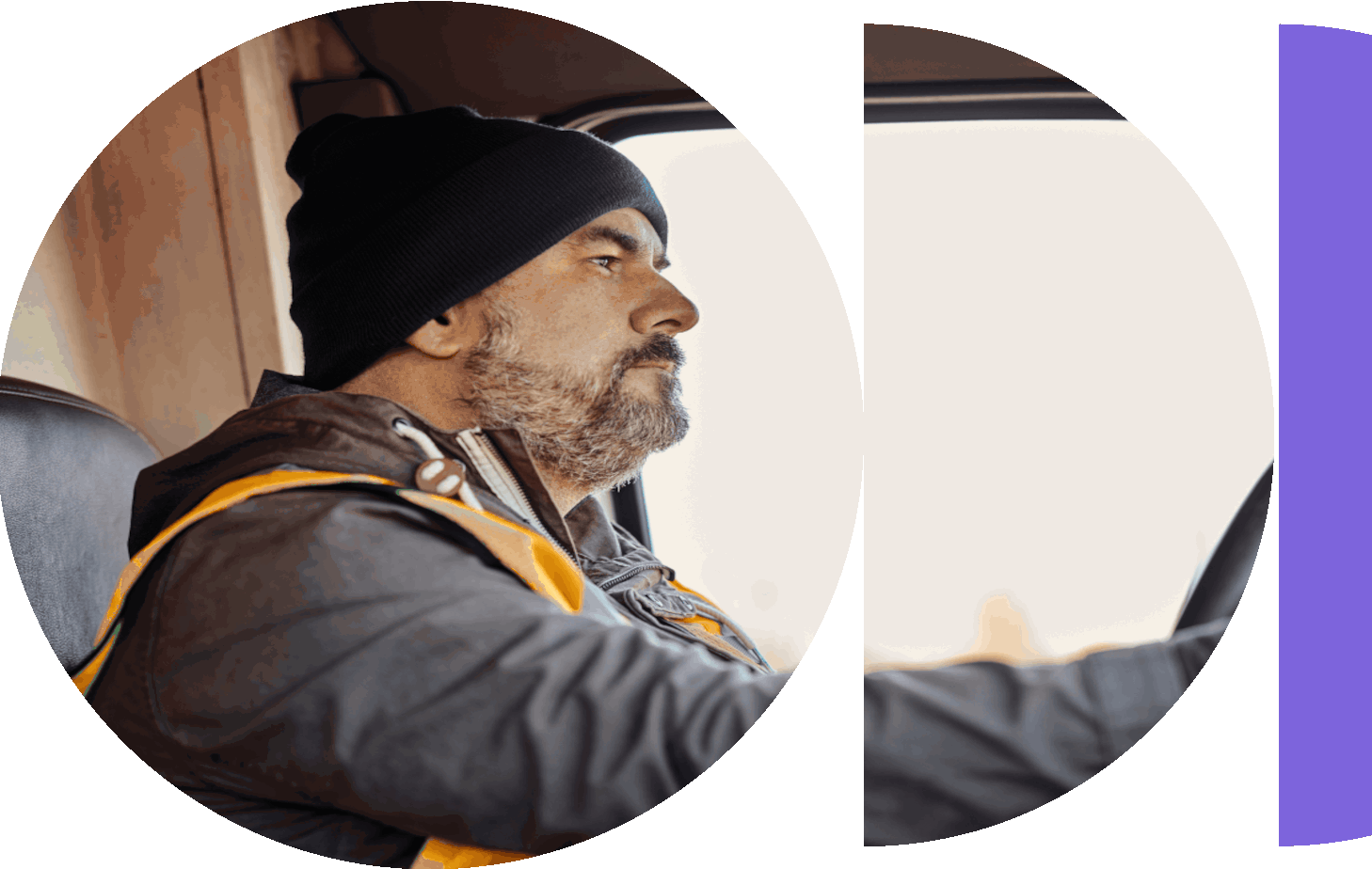
Not everyone takes in information the same way.
Some people will read an email and know what to do next. Others may need a timely reminder, a manager to explain what is available, or a conversation before they feel ready to use support.
Communicate with your people in a way they will receive the message
My Group helps people know what is available, why it may be relevant and how to get to the right help through clear communication, digital access, video sessions, in-person support and guided routes.
Where it is the right fit, face-to-face benefit education can bring support into your workplace, helping employees understand what’s available, ask questions and find the right route into support.
Why does employee benefits delivery support matter?
Having support in place is not the same as people knowing how to use it.
A benefit can be valuable and still be missed or unused. A financial education session can be relevant and still go unused if people do not know why it matters to them.
People work in different ways, in different roles and in different environments. A desk-based employee may see a message straight away, while someone on the road, on a shop floor, in a warehouse, on shifts or moving between sites may miss it. Confidence with digital tools also varies. A conversation, demonstration or simple explanation makes the difference for some people and is unnecessary for others. That is why one route rarely works for a whole workforce.
Delivery matters because awareness, timing and trust affect whether people take the next step.
Good communication makes support easier to find and understand. Where a topic is more sensitive, unfamiliar or easy to miss, human explanation can help people see what is relevant to them and what to do next.

How does My Group help people understand employee benefits and support?
Low uptake is often a sign that support is not reaching people. People do not always engage because they missed the launch email, lost the link or assumed it was not for them. Sometimes they just need someone to explain why it matters.
We start by understanding where communication is breaking down and how people are most likely to act on information. That shapes the delivery route, whether that means better digital communication, video sessions, on-site activity, manager briefings or guided routes into the right service.
The aim is to help people know what is available and where to go, without assuming one route works for everyone.
What can employee benefits delivery support include?
My Group can bring trained consultants into your workplace to help employees understand and use the support available to them. That human, face-to-face element can make a real difference for workforces that digital communication alone does not reach.
Engagement Consultants
Engagement Consultants work with employees on benefits awareness, recognition and the wider My Group offer, helping people understand what is available and why it matters to them.
Financial Wellness Consultants
Financial Wellness Consultants can sit down with employees, or deliver group sessions, to talk through financial education, everyday savings and benefits value in a way that is practical and easy to act on. These sessions are delivered by appropriately qualified people where the topic requires it, and where someone needs regulated financial advice, that can be provided through the correct authorised route.
Wellbeing Consultants
Wellbeing Consultants can support organisations with practical wellbeing education and group-led sessions, including neurodiversity awareness and mental health first aider training. Their role is to help people understand available support, build confidence and develop the knowledge to support themselves or their colleagues. They do not replace clinical advice, and this is not designed as one-to-one support in the same way as Engagement Consultant activity.
Digital, video and guided routes
For organisations where in-person support is not needed or not yet the right fit, the employee portal, targeted communications, video sessions and guided referral routes can help people find and use the right support at the right time.
How does delivery support reach different workforces?
Delivery support should meet people where they are, not where it is easiest to publish information.
For many workforces, the employee portal and clear digital communication will be enough. In other settings, a launch email may not reach everyone or give people enough confidence to use support properly.
Video can help explain topics to larger groups without needing everyone to be in the same place. In-person sessions can help where people are offline, dispersed, frontline, or less likely to engage with written communication. Consultant-led support can help with topics that feel sensitive, confusing or easy to put off until pressure is already building.
Digital access still matters. Delivery support adds the right explanation around it.
A person might first hear about support in a team briefing, scan a QR code on site, join a video session, speak to a consultant, receive a targeted message, or find the service through the employee portal. The route matters less than whether every employee can clearly understand their next step.
Human-led delivery should be used where it adds value. It is often most useful for launches, awareness campaigns, financial wellbeing activity, wellbeing sessions, benefits refreshers, manager briefings or hard-to-reach employee groups. It isn’t needed everywhere, so we match it to your workforce and to what will make the most difference for them.
Whether someone needs a quick reminder or a longer explanation, they should be able to get to the right help.
Talk to us about delivery support
An organisation may need better benefits communication, video sessions, on-site support, consultant-led activity or clearer routes into the services it already provides.
Frequently Asked Questions
Delivery support is about how people find the right route into the help available to them. It can include digital communication, employee portal content, video sessions, on-site activity, consultant-led explanation, manager briefings and guided routes into the right service.
No. On-site support is an option where it makes sense.
Many organisations will need digital communication and video support. In-person sessions may also help where employees are frontline, dispersed, shift-based or less likely to engage through email or written communication. The right approach depends on the workforce, the support being offered and the commercial fit.
Frontline, shift-based or dispersed employees may not see the same messages as office-based teams. Delivery support can use a mix of portal content, QR codes, manager briefings, video, printed prompts, on-site sessions and consultant-led activity to help support reach people in different ways.
The aim is not to communicate more for the sake of it. It is to make the right support easier to act on.
No. Benefits communication is part of it, but delivery support can also help with financial wellbeing, health and wellbeing, mental health support, workplace support and recognition.
The delivery route should follow the need. A straightforward update may only need digital communication. A more sensitive, unfamiliar or complex topic may need human explanation, a guided route or a more structured session.
Employee benefits communication is one part of delivery support. The wider approach can also include video sessions, in-person activity, manager briefings, consultant-led explanation and guided routes into services. Together they help people see what is relevant to them and where to go next.